
The next era of Pro AV: ISE 2026 unveils trends shaping the $258B market by 2030
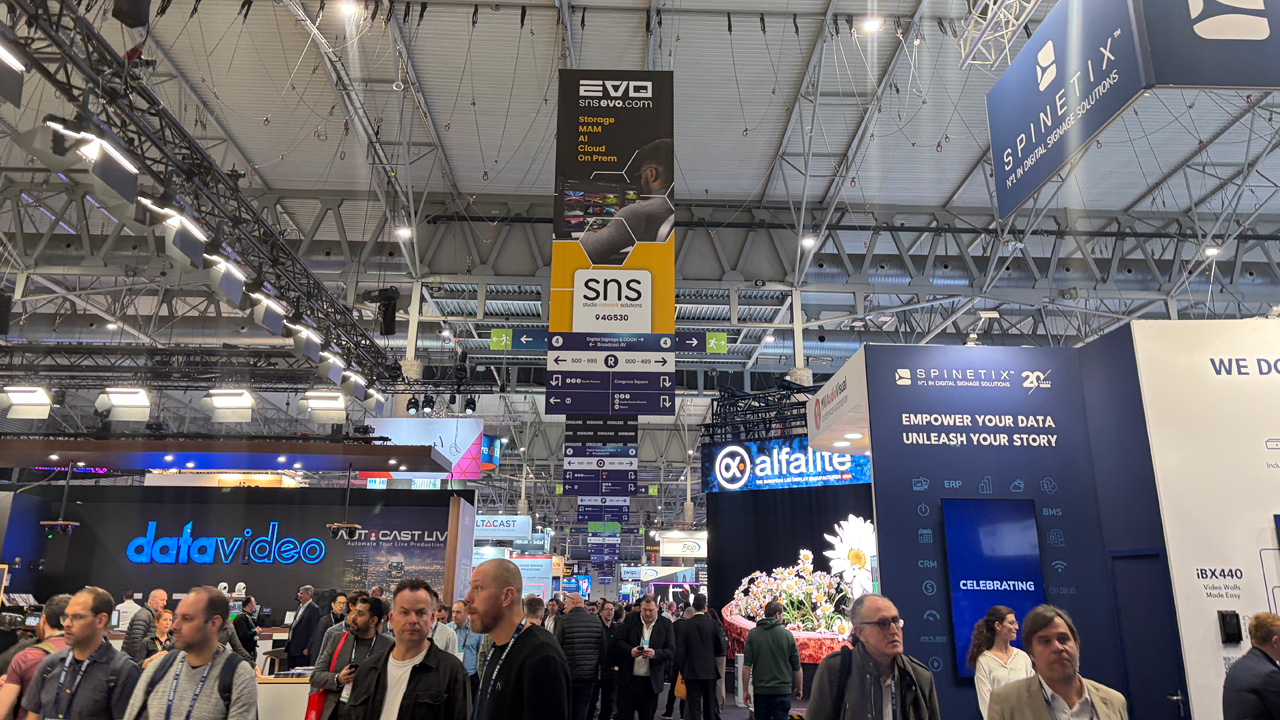
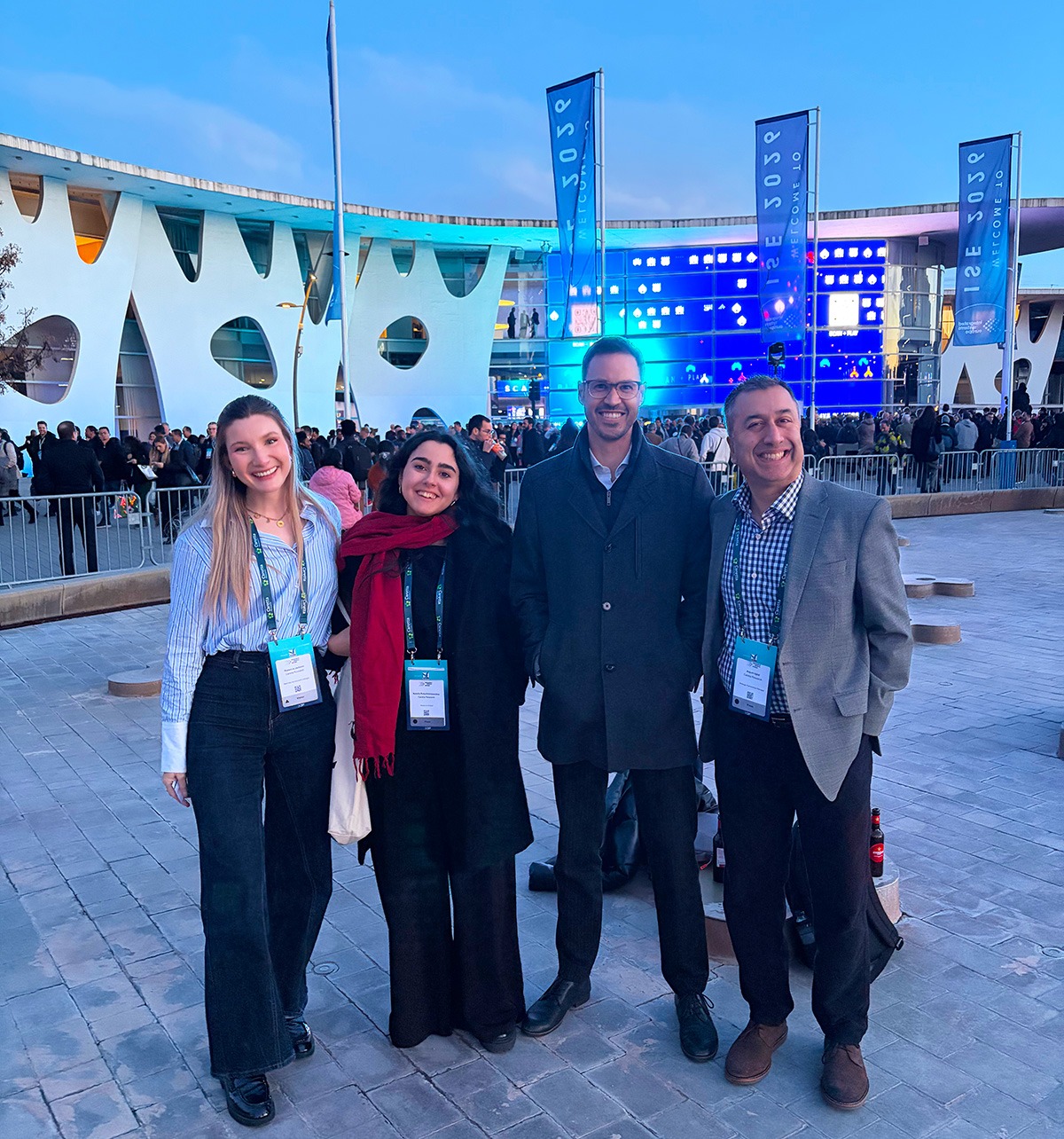
ISE 2026 confirmed what our research at Caretta Research has been tracking: the pro AV industry is not just growing, it’s fundamentally transforming, forecasted to grow by 21%, reaching $258B by 2030. As budgets shift, technologies mature, and new expectations emerge from end users, vendors and buyers alike are rethinking how they design, deploy, and integrate audio, video and software solutions.
Below we explore some of the most important trends from ISE 2026 shaping the market today, and what they mean for manufacturers, integrators and technology buyers.
Audio: simpler interfaces, smarter systems and immersive experiences
In audio, the priority is increasing ease of use. Console manufacturers are moving towards smaller, more intuitive interfaces, particularly for environments like conference rooms and houses of worship. These spaces often operate with limited technical staff, or staff whose expertise lies outside professional audio, so systems that are simple to operate and harder to “break” are in high demand.
At the infrastructure level, audio-over-IP continues to evolve. Major vendors are now releasing products with dedicated support for Milan, positioning it as an alternative to Dante. Milan promises strong latency performance and deterministic behaviour, which is attractive for mission-critical applications. However, while Milan is gaining visibility, it’s still some way from Dante’s level of market penetration and ecosystem maturity.
Buyer priorities are also being reshaped by regulation and sustainability. Increasing scrutiny of sound levels and environmental impact is nudging organisations toward more compact, energy-efficient, and “green” solutions. This is accelerating investment in immersive audio and advanced installation software that supports:
- Acoustic design and modelling of venues
- Test and measurement workflows
- Fine-grained control of coverage and sound distribution
In parallel, installed speaker solutions are taking centre stage. Many leading manufacturers now offer highly customised products, designed to integrate discreetly into architectural spaces or adjacent technologies (for example, speakers built to frame an LED display or to match a particular aesthetic). This reflects a broader move from “speakers as boxes” to “speakers as part of the environment.”
Despite several years of hype, immersive audio is still a niche rather than a universal standard. It has not yet triggered a fundamental shift in revenue or mainstream deployment models across all of audio. However, it is clearly becoming more prevalent in specific verticals and, crucially, it is now a key differentiator in the evolving projector and experiential markets.
Video and display: from hardware to experiences
On the video side, much of the innovation is shifting from pure hardware to software and integration. Strategic partnerships, such as those between major operating systems and device ecosystems, are improving security, interoperability and manageability across displays. Within the display category itself, LED is rapidly outpacing LCD in professional applications.
Video has also become more central to live events. Clients are paying closer attention to:
- The quality of live broadcast feeds
- The impact and resolution of in-venue LED walls
- The overall visual experience for both in-person and remote audiences
As a result, some budgets that traditionally went to audio are now being shared with the video team, forcing vendors and integrators to justify spending across both domains and design more tightly integrated AV solutions.
Projectors, meanwhile, are increasingly being displaced in education and corporate environments by flat-panel and LED displays. Most companies that make projectors are now making more revenue from LED and other display solutions rather than from projectors themselves, meaning that LED and LCD displays are taking over their market share.
Where projectors remain strong is in immersive and experiential installations. This has led to new collaborations between projection and audio specialists to deliver interactive, multisensory environments, often integrating immersive audio engines with large-format projection.
New display formats are also emerging. Transparent displays and transparent LED panels are expanding creative possibilities for set design, retail and corporate environments. E-paper, while widely demonstrated, still faces cost and usability barriers that limit its mainstream uptake.
Software: the new glue of complex AV estates
As AV estates grow more complex, software has become the critical layer for management, automation and monetisation.
We are seeing more advanced platforms for:
- Stadium and venue management
- Digital signage content management systems (CMS)
- Mapping and rendering across large, multi-screen environments
Generally, more software-as-a-service (SaaS) and software products are being supported, with integrators and vendors investing more heavily in in-house software development and direct-to-customer offerings. This creates recurring revenue opportunities but also demands new sales and support models.
AI and sensors are increasingly being integrated with signage CMS, particularly in retail and public spaces. Examples include:
- Generating video content automatically from still images
- Triggering content changes based on audience presence, demographics, or behaviour
- Using technologies such as object recognition, facial and gender classification, LIDAR and NFC to respond to what people are holding, wearing, or viewing
Collaboration and conferencing is becoming more competitive as a wider range of companies offer video bars and peripheral devices, while features such as screen sharing and connectivity become less proprietary and more standards-based. At the same time, more sophisticated setups (multi-camera systems, microphone arrays, and broadcast-grade workflows) are beginning to pull away.
A notable development is the integration of real-time graphics engines into conferencing platforms, with technologies traditionally used in live broadcast (such as Vizrt) now appearing inside mainstream collaboration tools like Zoom. This blurs the line between “meeting” and “produced event,” and raises expectations for visual quality across everyday corporate communications.
Market expansion: live production vendors target pro AV
Finally, the supplier landscape itself is changing. Many vendors with roots in live production, media and broadcast are actively seeking to diversify into the pro AV market. They see strong opportunities in corporate, education, retail and public venue deployments, but often need to adapt their positioning and go-to-market strategies.
This shift involves:
- Learning new buyer personas and procurement cycles
- Adapting language and messaging from “broadcast” to “AV and experiences”
- Developing channel strategies that work for integrators, resellers and end users in non-broadcast environments
For buyers, this influx of broadcast-grade vendors can expand the range of options, but it also increases complexity, making independent insight and market intelligence more valuable.
What this means for AV decision-makers
Across audio, video, and software, the direction of travel is clear:
- Simpler, more intuitive user interfaces
- More software-driven, data-informed management of AV estates
- Stronger convergence between broadcast and pro AV
- Growing demand for immersive, integrated experiences rather than isolated products
Vendors that understand these dynamics and tailor their portfolios, partnerships, and messaging accordingly, will be best placed to capture the next wave of growth. For buyers, staying informed about these shifts is essential to making resilient, future-proof investment decisions in an increasingly crowded and fast-moving market.
To learn more about our full Pro AV market analysis and reports at Caretta Research, contact us at info@carettaresearch.com.
Blog post tags
Blog posts
Read more
September 25, 2026

September 2, 2026
July 21, 2026
