
From agentic AI to Gen Z: key takeaways from IBC 2026
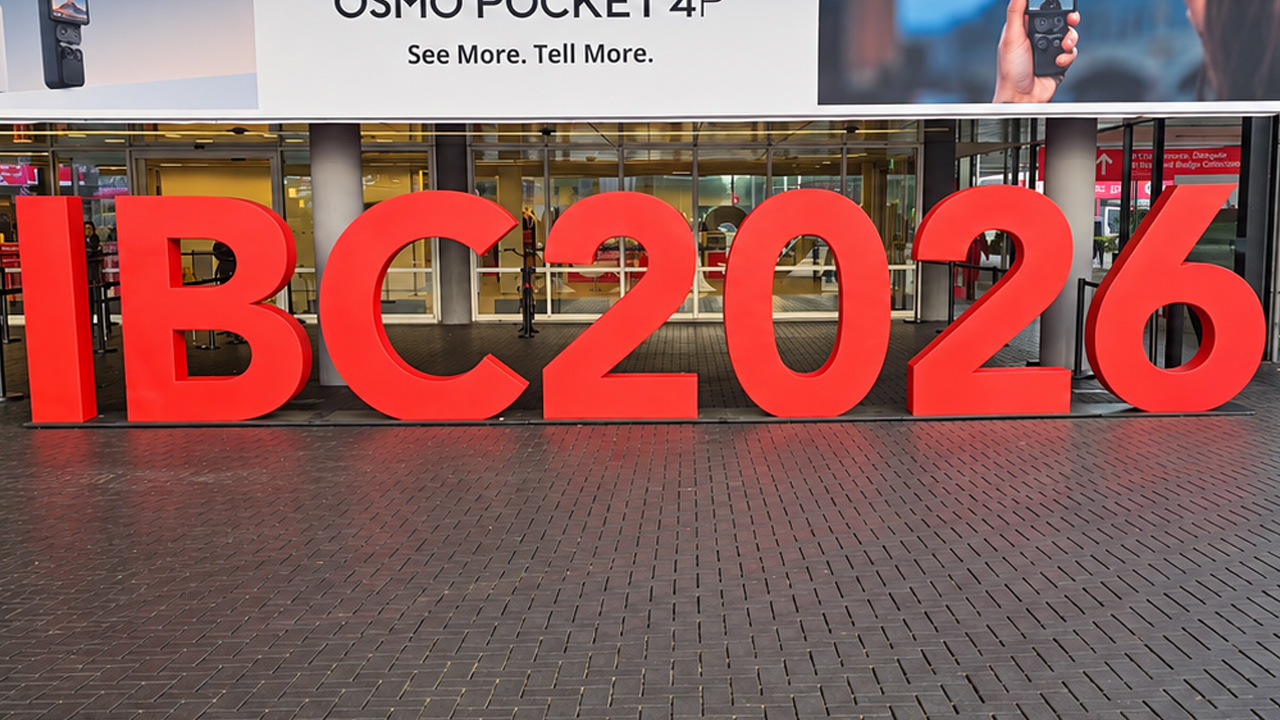
IBC 2026 took place against a challenging economic backdrop for broadcasters, with attendance down six percent and a flatlining market where the broadcast and media technology market saw just a two percent average annual growth rate between 2018 and 2025. Despite these economic realities, the show highlighted major shifts across six key areas of media technology.
Download the full post-IBC analyst insight here.
Agentic AI in its infancy
While agentic AI was the standout buzzword of IBC 2026, the industry remains in the experimental stage. Individual minimal viable agentic use cases are gaining traction, but end-to-end workflows are still far off. Organisations are navigating autonomy levels ranging from co-pilots and operators to agents, autonomous systems, and fully autonomous orchestrators. Key challenges include the rise of "tokenomics" as broadcasters face high and unpredictable AI costs, the absolute necessity of clean and structured data, and the demand for robust AI governance and broadcast-grade reliability before trusting end-to-end agents with Service Level Agreements.
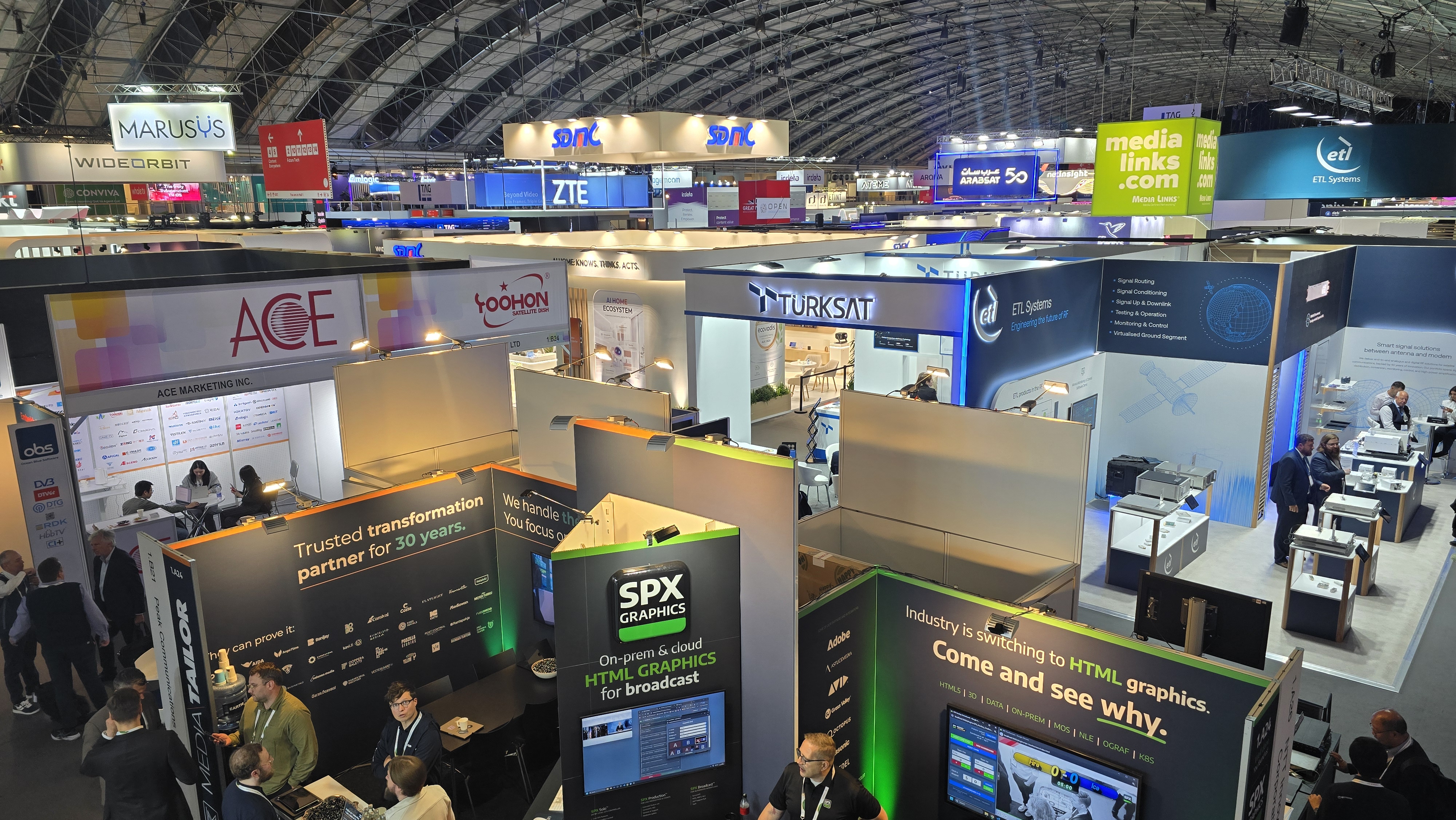
Vendors moving up the value chain
In a flat market, suppliers are expanding into adjacent sectors and broadening product portfolios. Online video platforms are moving into upstream broadcast operations, such as Comcast Technology Solutions offering ingest once for any platform in Media360, Quickplay delivering live ops tools for managing channels and FAST services, and Amagi launching an AI-enabled newsroom tool called NewsPulse. The challenge is persuading buyers to commit a greater proportion of their operations to a smaller number of vendors, while also supporting broadcasters' growing preference to own the business logic and orchestration layer themselves.
Download the full post-IBC analyst insight here.
Software-based production goes mainstream
Software and cloud-based live production tools have reached a major coming-of-age milestone. Industry-wide survey data reveals that 61 percent of broadcasters are using software live production, with 55 percent utilizing broadcast-grade products. While traditional hardware remains dominant for tier-one sports, 45 percent of broadcasters view software production as a production-grade replacement for hardware in tier-one productions, while 30% view it as best suited for secondary events like social media feeds and disaster recovery.
Newsroom innovation with the Story Object Model
Newsroom technology has historically experienced slow replacement cycles. However, the Story Object Model initiative, backed by organisations like the Associated Press, BBC, ITN, NBC Universal, and the Washington Post, represents a major industry collaboration. Operating on a publish-and-subscribe data bus, SOM focuses on editorial data such as narratives, background facts, quote attribution, and update histories, breaking down silos between newsroom computer systems, media asset management and graphics.
Download the full post-IBC analyst insight here.
A tough market with bright spots
While overall market conditions remain tight, FAST playout is the fastest-growing segment with a 29% compound annual growth rate (CAGR) from 2021 to 2025. Furthermore, $11B of market revenue is growing at more than 5% per year across 39 product segments, and 61% of media tech vendors saw revenue growth between 2024 and 2025. Products driving monetisation and efficient production continue to outperform declining traditional segments.

Reaching Gen Z with vertical video and shorts
Tools for generating square and 9:16 short vertical video clips have rapidly evolved from specialist products into standard features across production tools, media asset management systems and online video platforms. While short-form video is essential for engaging Gen Z audiences, industry discussions highlight the need for human editorial control, robust data feedback loops, and recognition that short clips serve as an addition to long-form and linear content rather than a replacement.
To explore the complete data set, market breakdowns, and strategic insights from IBC 2026, download the full analyst insight deck.
Blog post tags
Blog posts
Read more
September 2, 2026

July 21, 2026
July 7, 2026
