
NAB Show 2026: why practical AI, hybrid cloud and ROI matter now
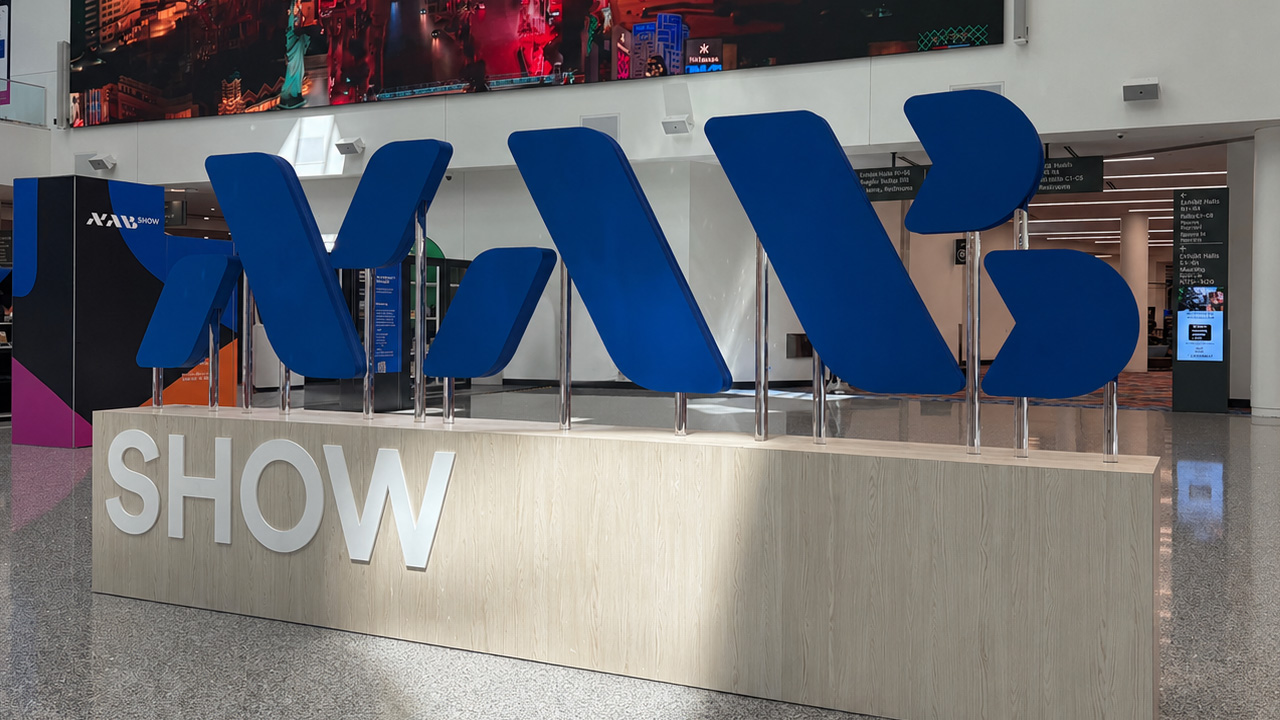
This year’s NAB Show confirmed the key trends highlighted in our recent research. Our team has returned, energised by hundreds of conversations with industry leaders and new connections. After more than 150 meetings, we’ve gathered the most critical post-event insights.
This year, the discussion shifted decisively from abstract theory to tangible solutions, reflecting a clear industry mandate: empowering media organisations to achieve greater efficiency and impact with existing resources. Here is our essential breakdown of the most significant themes and trends emerging from the show:
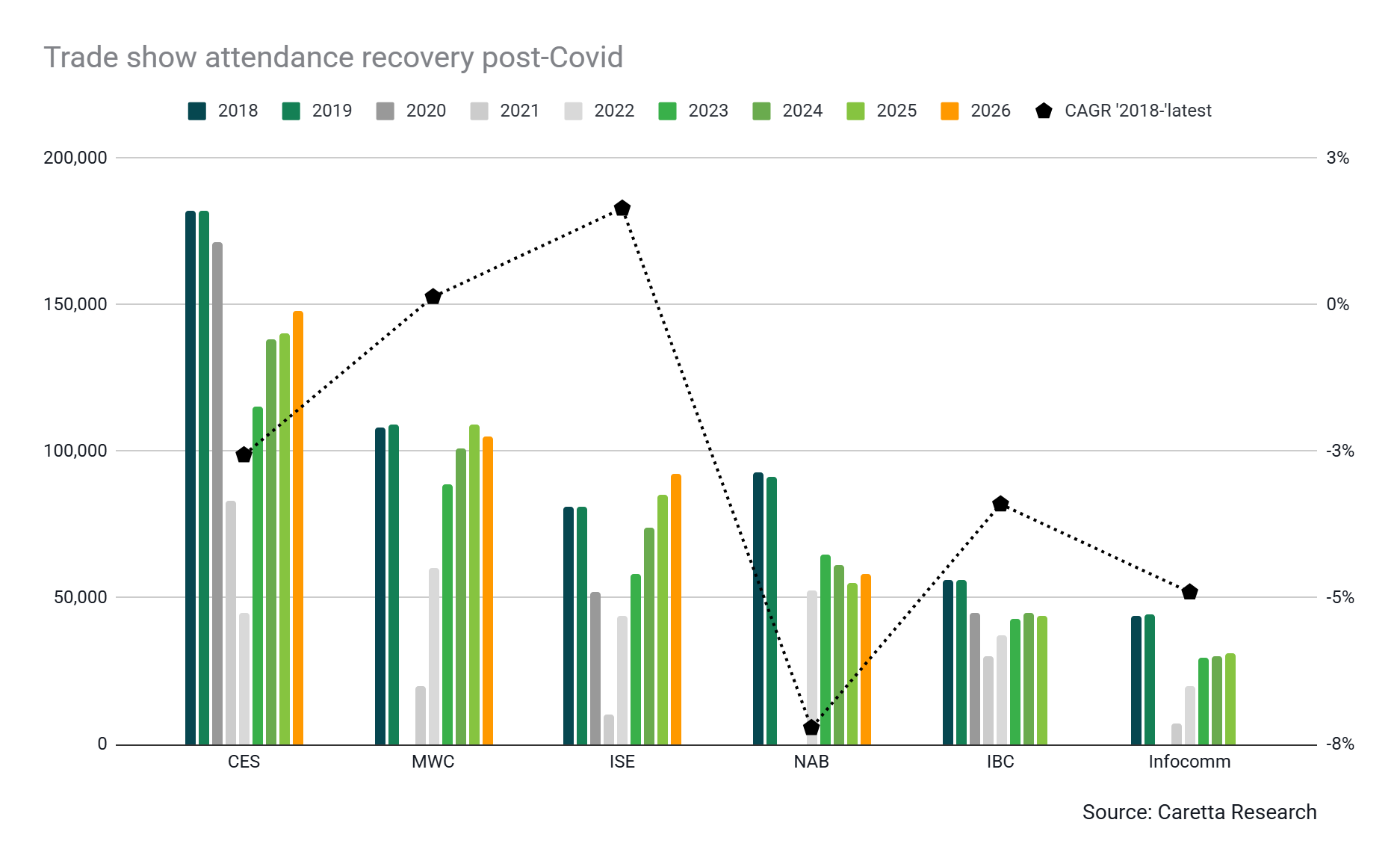
The NAB Show 2026 attendance: a closer look at the numbers
One of the more notable themes this year was attendance. NAB reported 58K+ total registrants, and compared with last year’s published figures, the international profile appears to have shifted: from 55,000 across 160 countries, with 26% international participation, to 58,000 across 146 countries, with 22% international.
That may help explain why the event felt lighter on the ground, particularly from an international perspective. Travel disruption, higher airfares and concerns around US border processes are all likely factors, while the balance appears to have shifted towards more US-based participation, including more attendees from the prosumer and content creation side of the market.
AI moves from hype to practical orchestration
If previous years were about the idea of generative AI, this year was entirely about functional integration. Vendors are embedding AI directly into their products to achieve “functional collapse” and streamline highly manual tasks.
- Metadata and discoverability: platforms are deploying AI agents to analyse audio and video streams, automatically generating multi-dimensional metadata to make massive, unorganised archives instantly searchable.
- Workflow automation: AI is being leveraged for complex tasks such as compliance editing, automated content reframing (from 16:9 to 9:16 for mobile viewing), and the real-time generation of sports highlights without human intervention.
- Contextual advertising: AI models are now indexing every frame of live and VOD content alongside advertisements, enabling highly targeted contextual ad placements that significantly boost brand recall.
Crucially, creatives want AI as an assistive tool, not a replacement. The goal is to remove friction from the media supply chain and empower human editors to operate more efficiently.

The shift to hybrid cloud and its implications
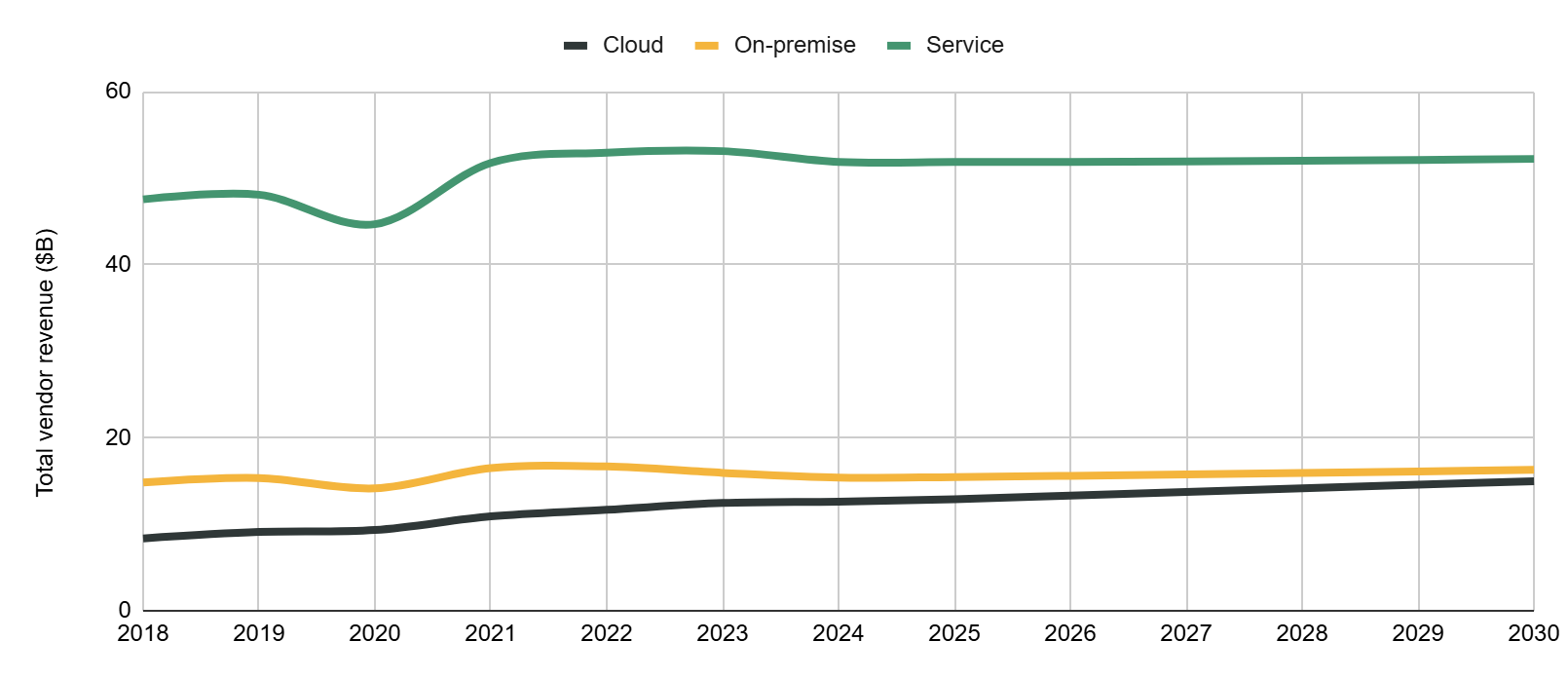
Many media companies are moving away from a “cloud-only” approach. They've found that while the public cloud can grow easily when needed, the costs for processing tasks and moving data out of the cloud can be unpredictable and very high.
This shift is leading to a major trend called “cloud repatriation”. Big streaming services and broadcasters are bringing some of their work back to their own local equipment (on-premise). Concerns about where data is stored, legal responsibilities for software licenses, and the huge amount of electricity needed for AI tools have made a combination of local and cloud setups (a “hybrid” model) the preferred solution.
These companies are now building flexible systems that let them run their main workflows on their own standard servers. They only use the public cloud's capacity for extra demand when it is absolutely necessary.
Broadcast tech expands into pro AV and non-media sectors
Traditional media technology is no longer confined to top-tier broadcasters. A massive growth area is the expansion into pro AV and non-media verticals.
- Diverse adoption: high-end video workflows are being adopted by higher education (particularly the US collegiate sports market), houses of worship, pharmaceuticals and enterprise marketing teams.
- Bridging the IT gap: as broadcast technology shifts from legacy SDI cables to IP networks, AV equipment must sit on corporate IT backbones. A major hurdle is bridging the cultural and technical divide between broadcast engineers and corporate IT security managers.
Sports monetisation and the DTC revolution
The traditional sports rights market has reached a plateau, forcing leagues, federations and tier-2/tier-3 sports to find alternative revenue streams.
Because regional sports networks (RSNs) are struggling, many sports clubs are now taking their broadcast distribution into their own hands via direct-to-consumer (DTC) streaming. To capitalise on this, federations are aggressively pursuing virtual advertising, regionalising in-stadium billboards during live broadcasts to unlock entirely new sponsorship revenue streams.
Conclusion
The overarching message from the show is clear: the media industry is seeking robust, practical solutions that drive efficiency. Whether it is through using AI for smart content delivery, adopting sensible hybrid cloud models, or finding new audiences in the corporate and DTC spaces, the focus has shifted firmly from flashy concepts to tangible return on investment.
To learn more about our full media tech market analysis and reports at Caretta Research, contact us at info@carettaresearch.com.
Blog post tags
Blog posts
Read more
September 2, 2026

July 21, 2026
July 7, 2026
