
What SPORTEL 2026 revealed about the changing economics of sports tech

Big sports rights deals make headlines, but they don't reflect the reality of the wider market. While premium leagues and clubs have significant budgets for production and fan engagement, smaller sports organisations face a different challenge: doing more with fewer resources.
At SPORTEL 2026, one theme stood out: technology investment is increasingly driven by measurable returns, with software, automation and new monetisation tools creating opportunities across different levels of sport.
Sports budgets are far from equal
Premium sports properties can invest in advanced production, proprietary platforms and international distribution. But further down the market, priorities are different.
Mid-tier organisations need proven solutions that support audience and revenue growth, while smaller leagues and clubs are focused on making content production commercially viable.
For sports tech vendors, this means understanding where budgets sit and adapting their offerings accordingly, rather than approaching every sports organisation with the same proposition.
Software is making sports production more accessible
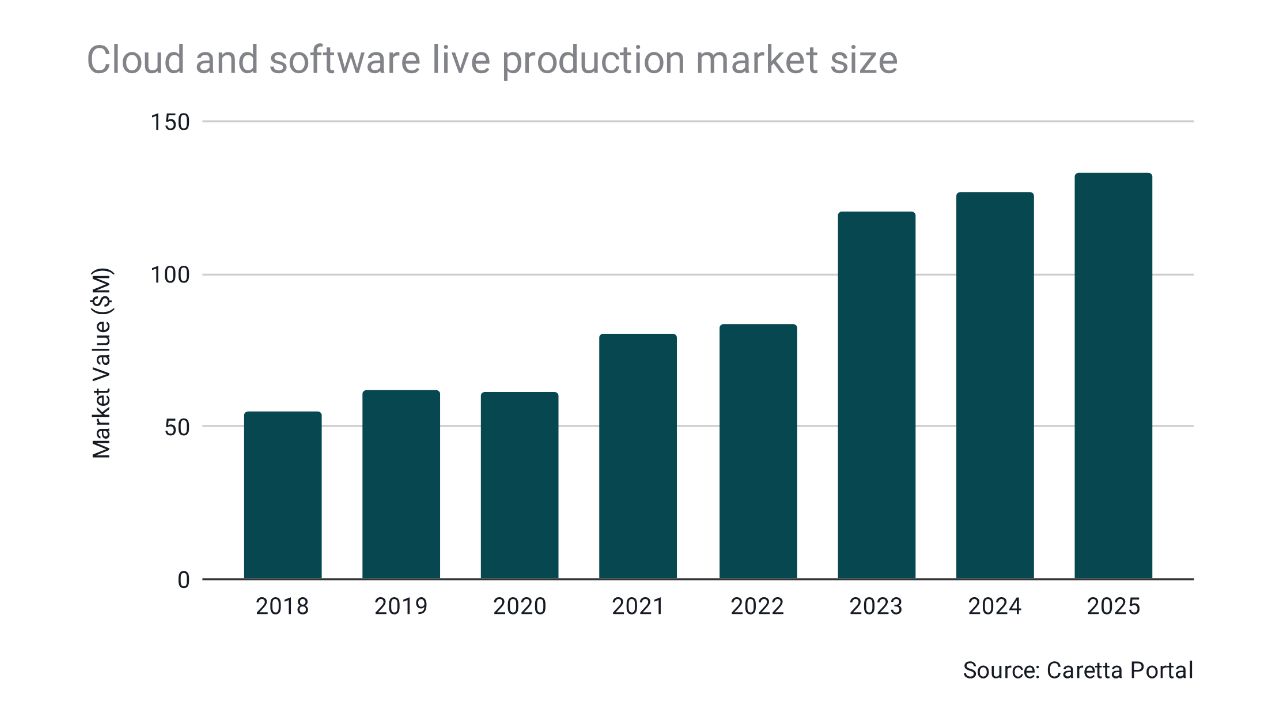
Software-based production is helping organisations reduce reliance on dedicated hardware and large on-site crews.
Automated cameras, remote workflows and software-based switching can make event coverage more affordable, particularly for lower-tier sports where traditional production costs are difficult to justify.
The opportunity extends beyond production. Virtual advertising, once dependent on specialised equipment, can increasingly operate through software processing of existing video feeds. This lowers deployment barriers and creates new sponsorship opportunities.
One investment, multiple applications
Automation is also changing how sports organisations use video.
A single automated camera system can capture matches, generate highlights for social media and provide footage for coaching and performance analysis.
For smaller clubs, this allows investment to support several departments at once. Larger rights holders, meanwhile, are using AI-assisted clipping, tagging and localisation to produce more content across platforms while retaining editorial control.
For technology suppliers, this creates opportunities to expand beyond individual products into connected workflows serving multiple customer needs.

Rights owners want greater commercial flexibility
Sports rights strategies are becoming increasingly varied.
Premium properties are exploring flexible rights packages and international distribution to maximise their commercial potential. Smaller organisations are prioritising affordable domestic coverage and direct audience engagement.
Direct-to-fan platforms are becoming part of that strategy, offering alternative distribution channels, access to first-party fan data and additional commercial opportunities.
Protecting existing revenues is equally important. Anti-piracy was a prominent topic at SPORTEL, with LaLiga President Javier Tebas highlighting the scale of investment and coordination required to combat illegal streaming.
What this means for sports tech vendors
SPORTEL 2026 reinforced a key distinction: the biggest opportunities in sports tech are not necessarily limited to the organisations with the biggest budgets.
Across production, distribution and monetisation, the value of technology increasingly depends on how effectively it addresses each customer's commercial priorities.
For vendors, the opportunity lies in delivering solutions that make sports content more affordable to produce, easier to distribute and more valuable to rights holders.
For more on Caretta Research's insights into sports rights and tech, contact us at info@carettaresearch.com.
Blog post tags
Blog posts
Read more
October 27, 2026

October 20, 2026
October 13, 2026
